Hostile Intelligence. Reflections from a Visit to the West Bank
David Graeber
A series of texts republished by Learning Palestine group.
Volume 1, Pamphlet 3/10 - 2024
Original text is in International Times (2015) https://internationaltimes.it/hostile-intelligence-reflections-from-a-visit-to-the-west-bank/
We are (re)publishing these texts to disseminate knowledge on the history and present-day struggles for justice and liberation for Palestine and the Palestinian people. We opted for publishing the texts without going through the process of seeking permission from the authors or publishers*. We believe that these works ought to be read, circulated and acted upon urgently, as the genocidal war on Palestine continues unabated. The publications are meant to contribute to historical and political literacy for liberation in the service of the people. What is knowledge for if not to change the world to a just place for all?
To be involved in the efforts of Learning Palestine: learningpalestine.net
The word pamphlet originates from the 12th-century Latin love poem ‘Pamphilus, seu de Amore’. Pamphilus, or ‘concerning love’ is derived from the Greek name Πάμφιλος, meaning ‘beloved of all’. The popular poem formed a slim codex and was copied and circulated widely. *These pamphlets are not meant to be used/circulated for commercial purposes.
Hostile Intelligence. Reflections from a Visit to the West Bank
David Graeber
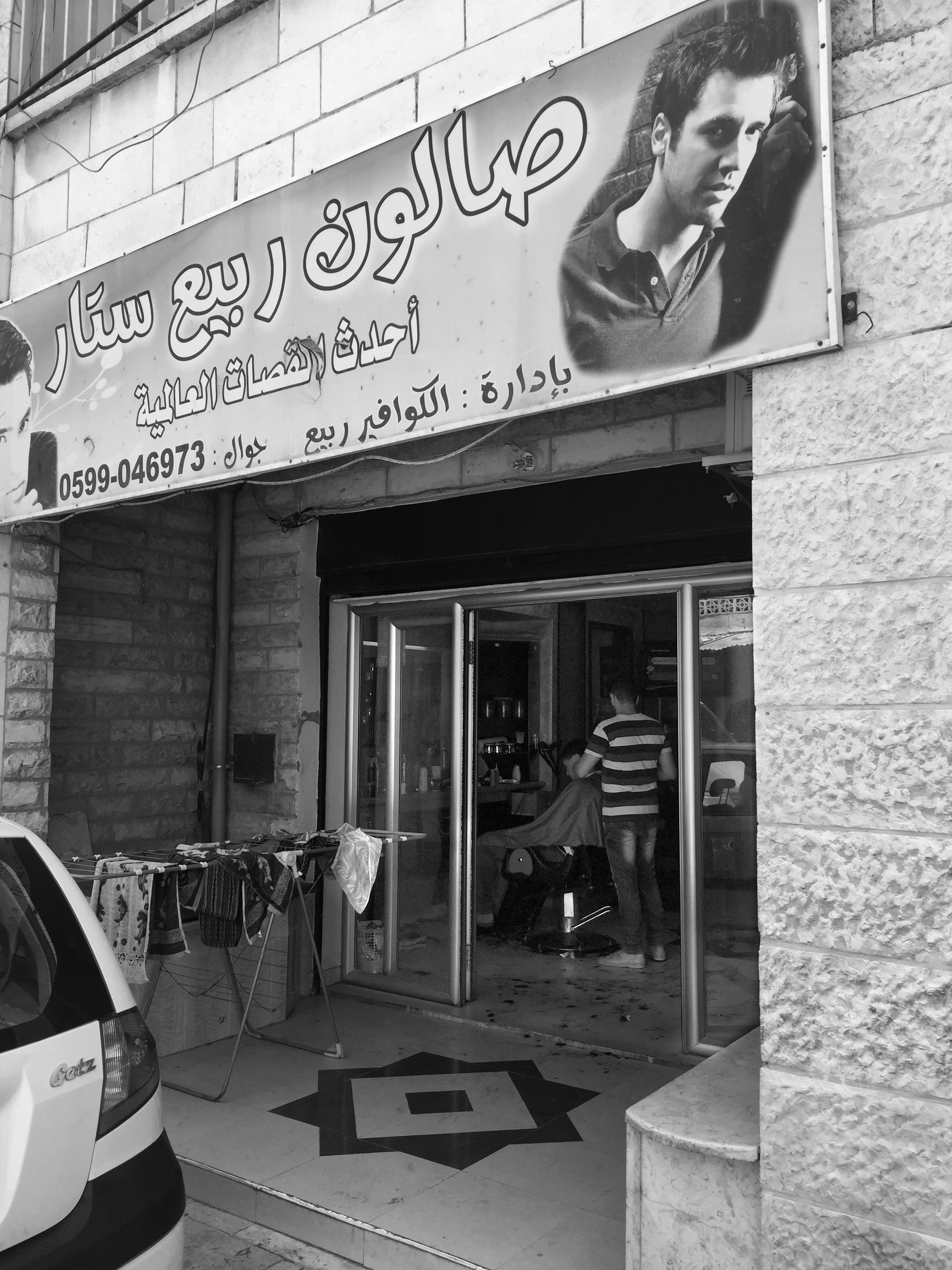
In Nablus, every street seems to have a men’s hair salon. There are
literally thousands of them. Most stay open until at least 2 at night;
often other than mosques they’re the only places lit up and open at two
at night; and it seems any time you pass by one, there are likely to be
four or five nicely coiffed young men clustered inside, watching someone
get a haircut. The odd thing is that women’s hair salons seem entirely
absent. Occasionally you do see impressive posters for women’s cosmetics
and hair products; often, the women are blonde (and a surprising number
of Palestinians in Nablus are, in fact, blonde; even children), but the
shops are absent. I asked a friend why this was. He explained that while
Palestinian society was traditionally considered the most liberal Arab
society outside of Beirut, and young women never used to go with their
hair covered, things started to change in the ’90s with the political
rise of Hamas. But in the case of women’s hair salons, there was
another, much more immediate factor. During the ’80s, Israeli
intelligence agents began taking advantage of their existence to spike
the sweet tea with knock-out drugs, and take nude pictures of women so
as to blackmail their husbands into turning collaborator or informant.
So now women’s salons exist, but they’re not visible from the street,
and women no longer take tea from strangers.
My first reaction on hearing the story was: Did this really happen? It sounds like the very definition of a paranoid fantasy. But Palestinians in Nablus are living in an environment where insane things do happen; where there actually are people conspiring against them; spies, informants, security forces of a dozen varieties including many with advanced degrees in psychology and social theory do exist and are actively trying to come up with ways to destroy social trust and tear apart the fabric of society. Innumerable stories circulate. Only some are true. How can anyone pssibly know which?
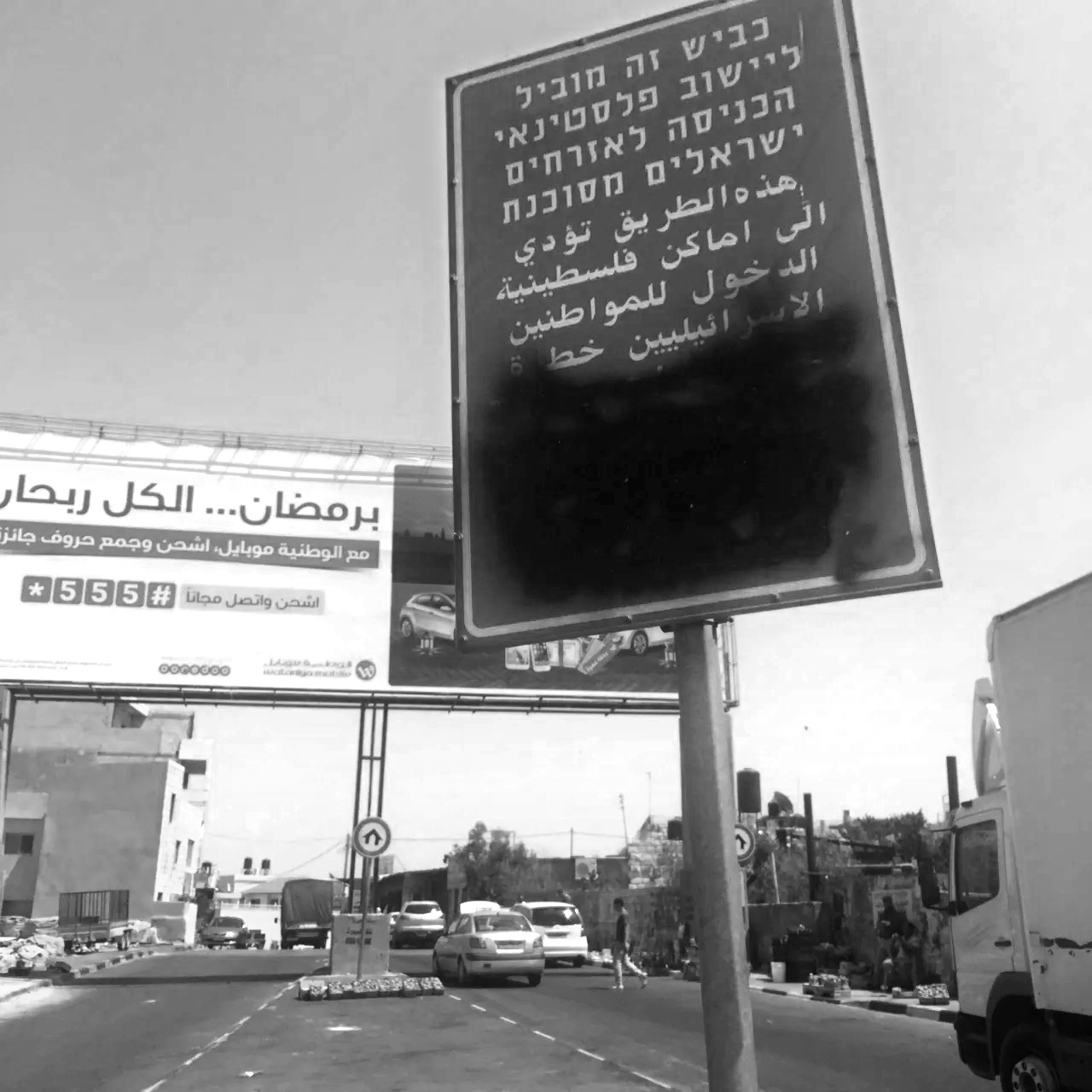
And of course that’s always half the point in such situations. The
Stasi, the East German secret police, at one point developed a technique
of breaking into dissidents’ homes at night and rearranging their
furniture. Doing it left the victim in an impossible situation. Either
you tell people that spies broke into your house and rearranged your
furniture, leaving many with the impression you are insane, or keep the
information to yourself, and gradually begin to doubt your own sanity.
Sometimes, in Palestine, you feel you’re in an entire country that’s
been given such treatment.
In this case, however, the rumor turns out to be at least partly true. Someone put up a web page for Mossad agents with guilty consciences to make anonymous confessions. And one did, indeed, make reference to drugging the tea in hair salons.
My friend Amin said: “I’ve always felt that the turn to religious
conservatism, the headscarves, the covering up—it’s not just the
political rise of Hamas in the ’80s and ’90s. I think it’s partly a
reaction to the fact that you always know that people are staring at
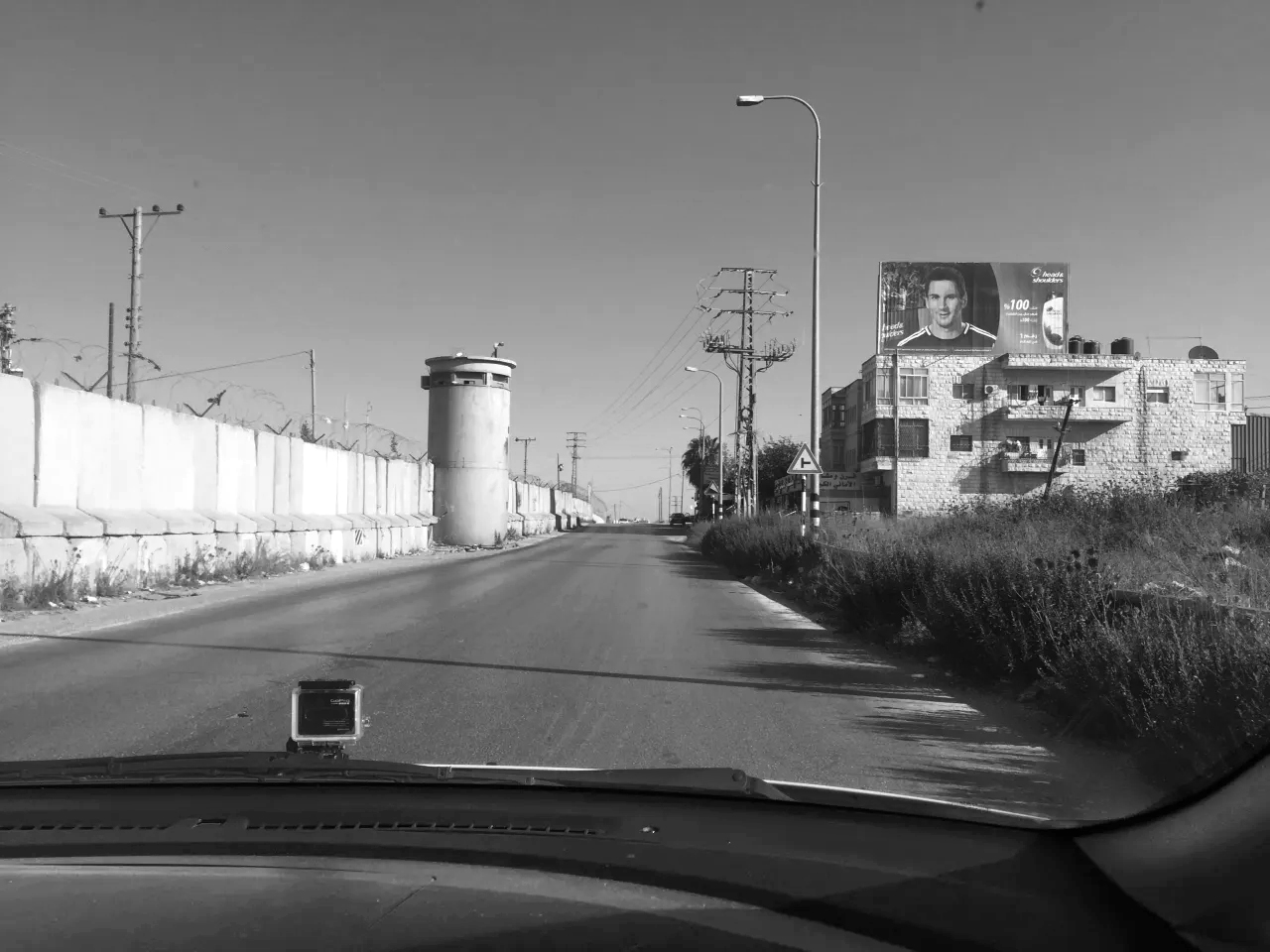
you. I mean look around. Practically every other hill, there’s a Jewish
settlement. But you look up and it’s just architecture, the blank face
of some pre-designed gated community, you can’t see the people. And next
to that there’s always a military base, fenced, with towers which may or
may not have someone gazing out at you. And then there’s the actual
wall. Everybody talks about the wall as being an impediment to movement.
And it is that, and it’s incredibly annoying, but the other thing about
the wall is, it’s an impediment to vision. You can never see what’s
going on right next to you. They have their own roads. Actually they
have two sets of roads: there are settler roads. Then there are the
military roads. You can’t really see either from roads we Arabs get to
use. Just glimpses here and there, or there are spots where you cross
the road to a settlement, and there are guards and posters for
right-wing Israeli politicians and kids wearing yarmulke’s hitchhiking.
But other than that you never see them. But you know they can see you
when you’re driving, or walking, or whatever you’re doing they’re
starting at you from a thousand different angles from places you don’t
even know about. You’re trapped in these little pockets where you can
see each other but you never get the panoptic view, there’s a little
chunk of city you live in, a little chunk of country where you take your
sheep, these discontinuous islands; you don’t even have a proper map,
the maps you get to use are wrong or out of date, you never get to look
down from the commanding heights. So you start covering up. You don’t go
out so much. Women hide their hairstyles, even. It’s just a gesture, but
it’s one tiny way of asserting control.”
This what it feels like, to live in Palestine. The constant awareness of the existence of a ferocious, hostile intelligence that is organizing the terms of one’s existence, but which, ultimately, does not wish one well. One never sees them. But one knows what they must be like: a brain trust of extremely well educated and sophisticated men and women meeting in air-conditioned offices, presenting power-points, tabulating research, and developing sophisticated plans and scenarios; except, all you know is that these people are utterly inimical to your existence, and you have no idea what they say and do. You can only grasp at rumors and analogies.
The North Korean regime in the ’50s developed a series of remarkably
effective torture techniques, techniques that were so effective, in
fact, that they were able to make captured American airmen admit to all
sorts of atrocities they had not in fact committed, all the time, being
convinced they had not, actually, been tortured. The techniques were
quite simple. Just make the victim do something mildly uncomfortable—sit
on the edge of chair, for example, or lean against a wall in a slightly
awkward position—only, make them do it for an extremely long period of
time. After eight hours the victim would be willing to do virtually
anything to make it stop. But try going to the International Court of
Justice at The Hague and tell them you’ve been made to sit on the edge
of a chair all day. Even the victims were unwilling to describe their
captors as torturers. When the CIA learned about these
techniques—according to Korean friends of mine, they’re actually just
particularly sadistic versions of classic Korean ways of punishing small
children—they were intrigued, and, apparently, conducted extensive
research on how they could be adopted for their own detention
centers.
Again, sometimes, in Palestine, one feels one is in an entire country
that’s being treated this way. Obviously, there is also outright
torture, people who are actually being shot, beaten, tortured, or
violently abused. But I’m speaking here even of the ones that aren’t.
For most, it’s as if the very texture of everyday life has been designed
to be intolerable—only, in a way that you can never quite say is exactly
a human rights violation. There’s never enough water. Showering requires
almost military discipline. You can’t get a permit. You’re always
standing in line. If something breaks it’s impossible to get permission
to fix it. Or else you can’t get spare parts. There are four different
bodies of law that might apply to any legal situation (Ottoman, British,
Jordanian, Israeli), it’s anyone’s guess which court will say what
applies where, or what document is required, or acceptable. Most rules
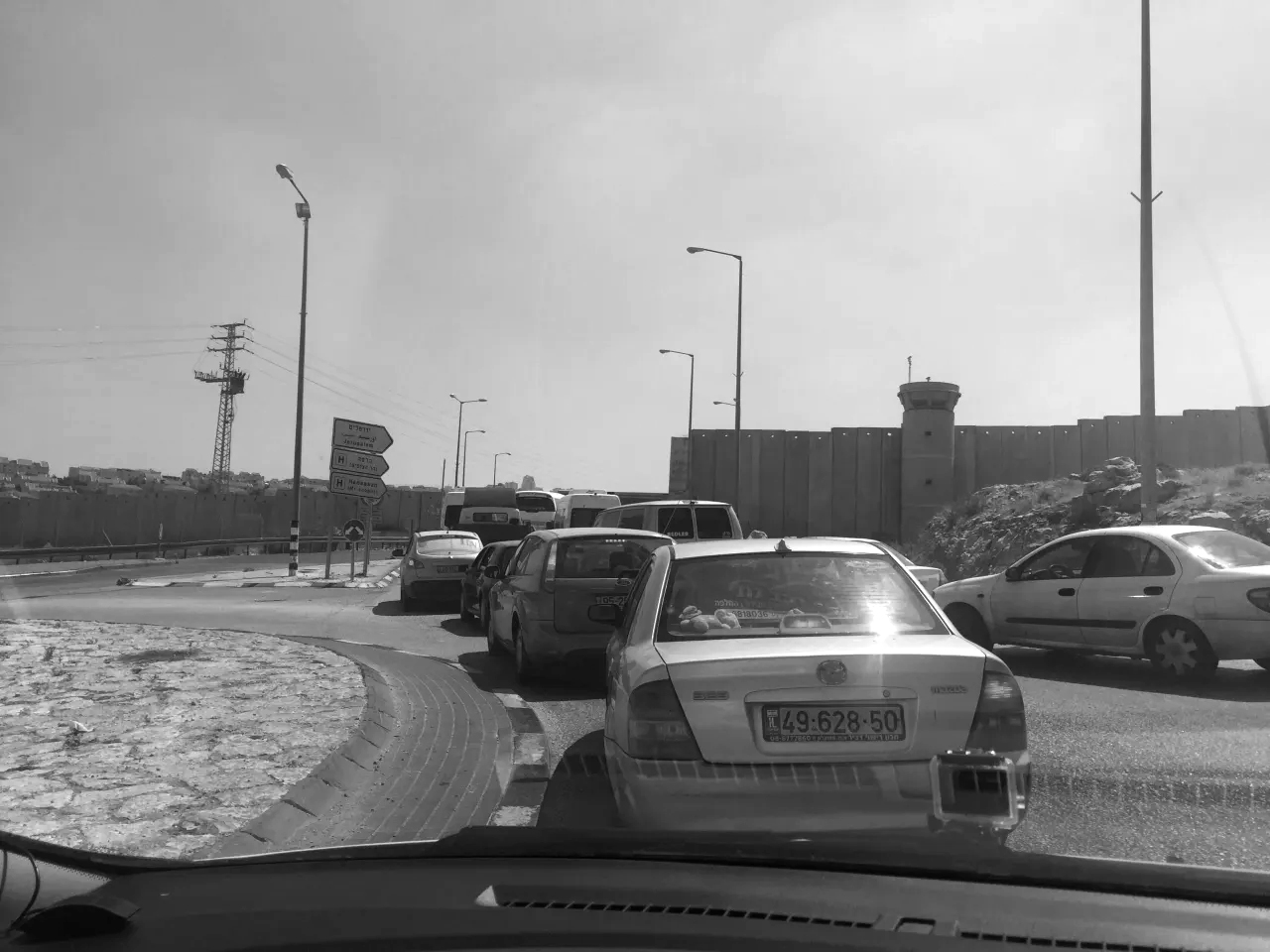
are not even supposed to make sense. It can take eight hours to drive 20
kilometers to see your girlfriend, and doing so will almost certainly
mean having machine guns waved in your faces and being shouted at in a
language you half understand by people who think you’re subhuman. So you
do most of your dalliance by phone. When you can afford the minutes.
There are endless traffic jams before and after checkpoints and drivers
bicker and curse and try not to take it out on one another. Everyone
lives no more than 12 or 15 miles from the Mediterranean but even on the
hottest day, it’s absolutely impossible to get to the beach. Unless you
climb the wall, there are places you can do that; but then you can
expect to be hunted every moment by security patrols. Of course
teenagers do it anyway. But it means swimming is always accompanied by
the fear of being shot. If you’re a trader, or a laborer, or a driver,
or a tobacco farmer, or clerk, the very process of subsistence is
continual stream of minor humiliations. Your tomatoes are held and left
two days to rot while someone grins a t you. You have to beg to get your
child out of detention. And if you do go to beseech the guards, those
same guards might arbitrarily decide to hold you to pressure him to
confess to rock-throwing, and suddenly you are in a concrete cell
without cigarettes. Your toilet backs up. And you realize: you’re going
to have to live like this forever. There is no “political process.” It
will never end. Barring some kind of divine intervention, you can expect
to be facing exactly this sort of terror and absurdity for the rest of
your natural life. But when someone does snap under the pressure, and,
say, stabs a soldier at a checkpoint, or joins a cell to shoot at
settlers, there’s no one specific act one can point to that seems to
justify what seems like an act of disproportionate madness.
Palestine was, after all, the land that produced Gnosticism—the
belief that human beings lived in a universe created by a hostile
Demiurge, full of arbitrary moral regulations which exist only to
bewilder and demoralize us, because the real God is in some absolute,
unknowable Elsewhere. But what possible reason would a political regime
have to try to consciously create a system of rule that actually brought
a simulation of such a corrupt and meaningless universe into
being?
The strategy seems especially puzzling because even from the Israeli
point of view, it’s impossible to figure out the logic. Back in the
’90s, had the opportunity to peace with its neighbors. The terms offered
were extremely advantageous, both economically and politically. No one
was even really expecting Israel to allow any significant number of the
’48 refugees to return; all it would have taken was the clearing out of
what were then a handful of settlements inhabited by what most Israeli
citizens then considered to be violent religious lunatics, and handing
the PLO some kind of toothless rump state. Instead Israeli governments
have used the diplomatic cover of a two-state solution—a solution nobody
now believes could ever possibly happen, even as hundreds of lucrative
bureaucratic careers have been created under the pretense that it
will—to turn the West Bank into a maze of military bases and Jewish-only
planned communities, condemned by almost every country on earth as
illegal under international law. It is extremely difficult to imagine
how this project will not, ultimately, lead to catastrophe. Already it
has transformed the image of the country in most of the world from a
group of idealistic holocaust survivors making the desert bloom, into a
collection of snarling bigots who have made a science out of techniques
for brutalizing 12-year-olds. They have ensured they will remain a
nation surrounded by bitter enemies, even as economically and
politically, they have become almost entirely dependent on the
unquestioning support a single rapidly declining imperial power.
How could this possibly end well?
So: what is the Israeli long-term strategy, really?
Insofar as there’s an answer, it seems to be that they simply don’t have one; the Israeli government no more has a long-term strategy for dealing with their future in the region than Exxon Mobil has a long-term strategy for dealing with climate change. They seem to just figure that, if US power does collapse or give up on them, something will turn up. No doubt too they have people in thinktanks brainstorming that, too, coming with reports and scenarios, but all this is basically an afterthought. The driving force behind the colonization of ’67 Palestine is not any sort of grand strategy; it’s a kind of terrible confluence of short-term political and economic advantage.
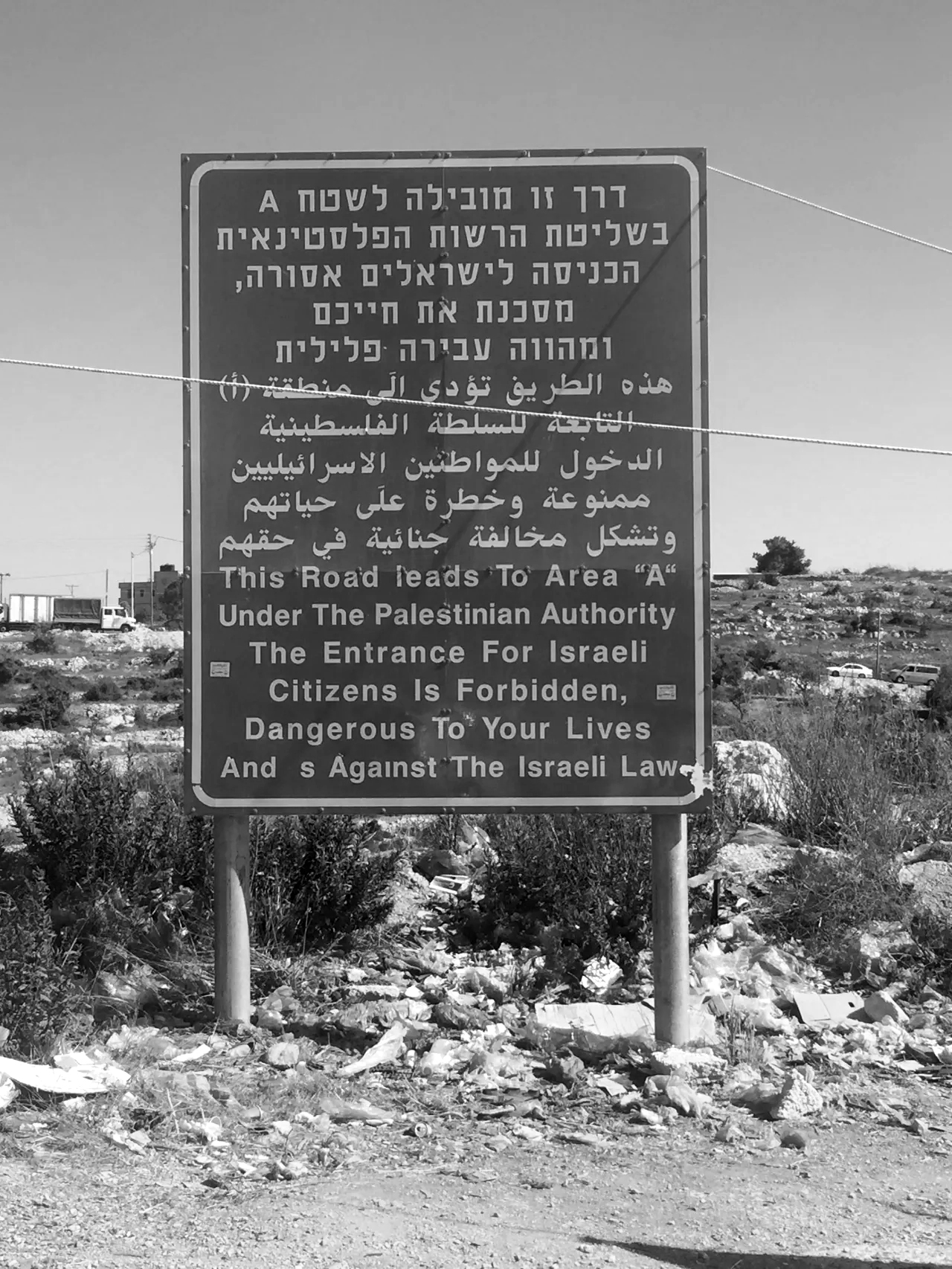
First, the settlements. They were originally the project of a
relatively isolated, if well funded, collection of religious zealots.
Now everything seems to be organized around them. The government pours
in endless resources. Why? The answer seems to be that since at least
the ’90s, rightwing politicians in Israel have figured out that the
settlements are a kind of political magic. The more money gets funneled
into them, the more the Jewish electorate turns to the Right. The reason
is simple. Israel is expensive. Housing inside the 1948 boundaries is
exorbitantly expensive. If you are a young person without means, you
increasingly has two options: to live with one’s parents until well into
your 30s, or find a place in an illegal settlement, where apartments
cost perhaps a third of what they would in Haifa or Tel Aviv—and that’s
not to mention the superior roads, schools, utilities, and social
services. At this point the vast majority of settlers live on the West
Bank for economic, not ideological, reasons. (This is especially true
around Jerusalem.) But consider who these people are. In the past, young
people in difficult circumstances, students, well-educated young
parents, have been the traditional constituency of the Left. Put these
same people in a settlement, and they will, inexorably, even without
realizing it, begin to think like fascists. Settlements are, in their
own way, giant engines for the production of right-wing consciousness.
It is very difficult for someone placed in hostile territory, given
training in automatic weapons and warned to be constantly on one’s guard
against a local population seething over the fact that your next-door
neighbors have been killing their sheep and destroying their olive
trees, not to gradually see ethno-nationalism as common sense. As a
result, with every election, the old Left electorate further dissipates,
and a host of religious, fascist, or semi-fascist parties win a larger
and larger stake of the vote. For politicians , who can barely think
past the next election, the lure is inescapable.
But what of the policies towards the Palestinians? How does that make
any sort of sense?
Again, it’s important to underline that the people designing Israeli
policy in the West Bank are anything but idiots. Most are clearly
extremely intelligent. Large proportions have advanced degrees, and are
very well read in the history and sociology of military rule and the
science of civil governance. They are well aware of the techniques that
have been successfully applied by occupying powers in the past aiming to
pacify and coopt a conquered population. It isn’t rocket science.
There’s a standard playbook: cooptation, divide and rule, a certain
carefully nuanced balance of carrot and stick, the application of
certain strategies for the creation of dependencies and mixed
allegiances… And it’s not as if those developing Israeli strategy don’t
apply these techniques. But they seem determined to offer as small a
carrot, and wield as large a stick, as they possibly can without
sparking a major conflagration. The old PLO leadership, the political
cream of the Palestinian diaspora, had indeed been coopted: it was
allowed it’s own small-scale right of return from their former bases in
Lebanon or North Africa, and granted special privileges in exchange for
agreeing to help police the Arab population. They in turn organized
incoming aid money in such a way to absorb former leftist radicals into
NGOs. A few rich Arab businessmen do move back and forth freely across
checkpoints and make lucrative housing deals. There’s even a minor
housing bubble, as money pours in from doctors and lawyers the diaspora
to relatives with nothing to spend it on, with the result that endless
great cement mansions with red Chinese roofs pop up in areas under the
Palestinian authority, only, mansions whose toilets still don’t really
work properly for lack of water. (All the water, needless to say, is
going to the settlers’ swimming pools.) The territories are, ironically,
Israel’s biggest export market, and since they’ve largely destroyed the
old agricultural, trade, and light industrial economy through hostile
“regulations,” what this basically means is seizing their cut of
Palestinian remittance money by any means available. Still, what’s
really remarkable about these divide-and-rule strategies is how little
of it there really is. Economically, it would be extremely easy to
create a sizeable middle class with a strong economic interest in
cooperation with the occupation authorities. Yet the authorities seem to
have intentionally decided not to do this.
Instead I think we have to ask the same question as we did with the
settlements. Settlements are engines for the production of a certain
kind of ethno-nationalist consciousness, funded basically for political
advantage. What sort of Palestinians, then, are the occupation
authorities trying to create? Clearly not docile and obedient ones.
There would be no reason to engineer a life of continual hardship,
terror, and humiliation—to ensure, for instance that practically every
Palestinian mother and father has to worry if their 12-year-old son or
daughter will come home safely from school, or is already lying shackled
and blindfolded in a concrete cell—if one were trying to pacify a former
enemy. The only answer that makes sense is that the Israel forces want
the Palestinians to seethe; they want there to be resistance; but the
also want to ensure that political resistance is completely ineffective.
They want a population that is compliant on a day-to-day basis, but that
periodically explodes, individually or collectively, in a unstrategic
and uncoordinated fashion that can represented to the outside world as
irrational demonic madness.
And why would they wish to do this? Almost every Arab political
analyst I talked to considered the answer self-evident. Israel’s economy
has become largely dependent on the high-tech arms trade, and the supply
of complex electronic “security” systems. Israel is today the world’s
fourth largest arms exporter, after the US, Russia, and UK (it has
recently pushed back France to #5). This is actually quite a feat for
such a tiny country. But as everyone also hastens to add: Israeli arms
and security systems have an enormous advantage over their rivals, one
Israeli firms never fail to emphasize in their promotional literature.
They are extensively field-tested. This new type of shell that was used
to destroy tunnels in Gaza! This new type of random-distribution tear
gas dispenser was successfully used against protestors in the Balata
refugee camp. This new type of laser-detection device has repeatedly
foiled attacks on settlers. Arab resistance has become a key economic
resource for Israeli capital, and were it to completely quiet down, the
export economy would take an immediate hit.
If bullying is to be defined as, in its essence, a form of aggression designed to produce a reaction that can then be used as retroactive justification for the initial act of aggression itself, then the Israeli Occupation has taken bullying and turned it into a principle of governance. Everything is designed to provoke. The provocations are daily. They are ugly and humiliating. But they are also designed to fly just under the point of flagrant, undeniable aggression, where you can claim they were not even, precisely, an “attack,” but like the schoolyard bully who’s constantly subtly poking and jabbing and kicking his victim, hoping for some outraged burst of ineffective rage that can get the victim hauled before the principal.

I only came to fully understand the agony of the Palestinian
situation when I came to understand that the entire point of life, in
traditional Palestinian society, is put oneself in a position where you
can be generous to strangers. Hospitality is everything. When I first
entered Nablus, in a van full of an American film crew, everyone in the
neighborhood we entered (of course I only learned this later)
immediately began pulling out cell phones to try to figure out what was
going on. Who were these foreigners? What kind of equipment were they
carrying? Why were they here? The moment we entered a local home
everything was different. A neighborhood committee quickly assembled a
group of 30 or 40 young volunteers who pledged to physically intervene
if corrupt elements of the Palestinian authority, or Israeli security
forces, tried to give us any trouble. After all, we were now somebody’s
houseguest, and our security was a matter of the neighborhood’s
collective honour.
Of course we had no idea this was happening at the time. We only
found out a week later, when someone mentioned it to Amin in a casual
aside.
One of the film crew’s first trip was to Arraba, an agricultural town whose center is full of posters and black flags of Islamic Jihad and the remains of Medieval mosques and forts. At first it sometimes seemed as if people were trying to avoid us, the houses were mostly shuttered, but eventually we realized, that was just because the sun had not yet set: it was Ramadan and people were embarrassed to receive visitors if they were unable to offer them food. By dusk it seemed like everywhere we went we were regaled with lamb, pastries and sage tea. Old women in headscarves endlessly refilled our glasses as they sat on patios telling stories of how archeologists had discovered the graves of some kind of ancient Jewish leaders—I didn’t catch the names, I think they might have been Maccabees—and since then, the tombs had been declared a place of pilgrimage. Normally, of course, the discovery of such a site is an economic windfall for the community. In Palestine, it might mean an entire village is simply expelled. Arraba was too big for that. So in this case it merely meant that periodically, hundreds of Israeli soldiers would sweep into town in full battle gear, snipers would position themselves on rooftops, and there would be a 12-hour curfew as religious settlers marched in to carry out commemorative rituals. And then they’d go away. Then they started telling the stories of various children of the village currently in prison for conspiring to ambush settlers.
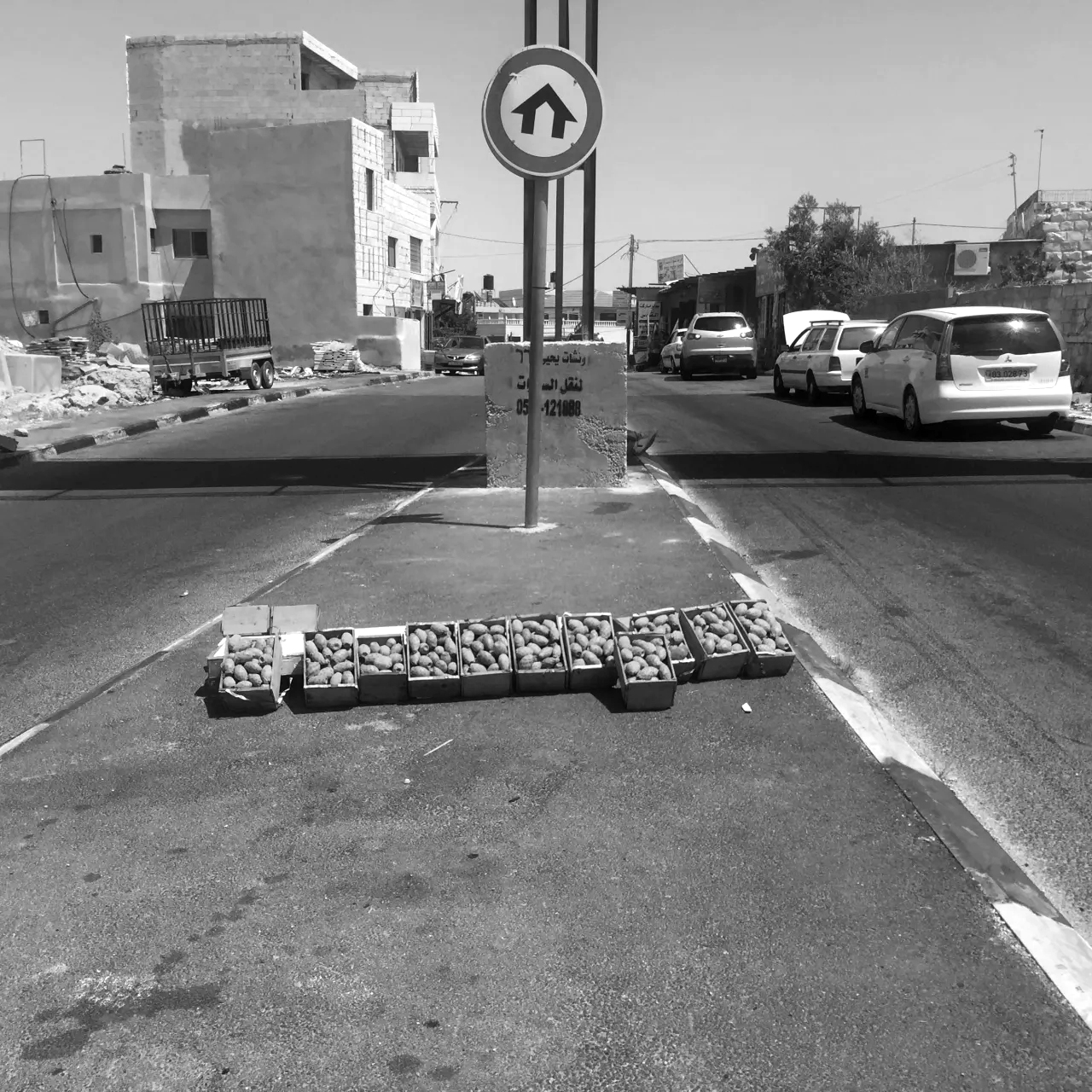
It was at the moment it suddenly occurred to me—someone who had grown up in a Jewish family in New York fed almost entirely on Zionist propaganda—exactly what things must look like from the other side. Wherever we went, Palestinians would tell us about all the different sorts of people they had historically welcomed to the Holy Land: Armenians, Greeks, Persians, Russians, Africans, Jews… They saw the Zionists as originally their house-guests. Yet they were the worst house-guests one could possibly imagine. Every act of hospitality, of welcome, is turned into license for appropriation, and the world’s most skillful propagandists leapt into action to try to convince the world that their hosts were depraved inhuman monsters who had no right to their own homes. In such a situation, what can you possibly do? Stop being generous? But then one is absolutely, existentially defeated. This is what people really meant when they talked about a life of calculated degradation. People were being systematically deprived of the physical, the economic, and the political means to be magnanimous. And to be deprived of the means to make that kind of magnificent gesture is a kind of living death.
David Graeber blablabla